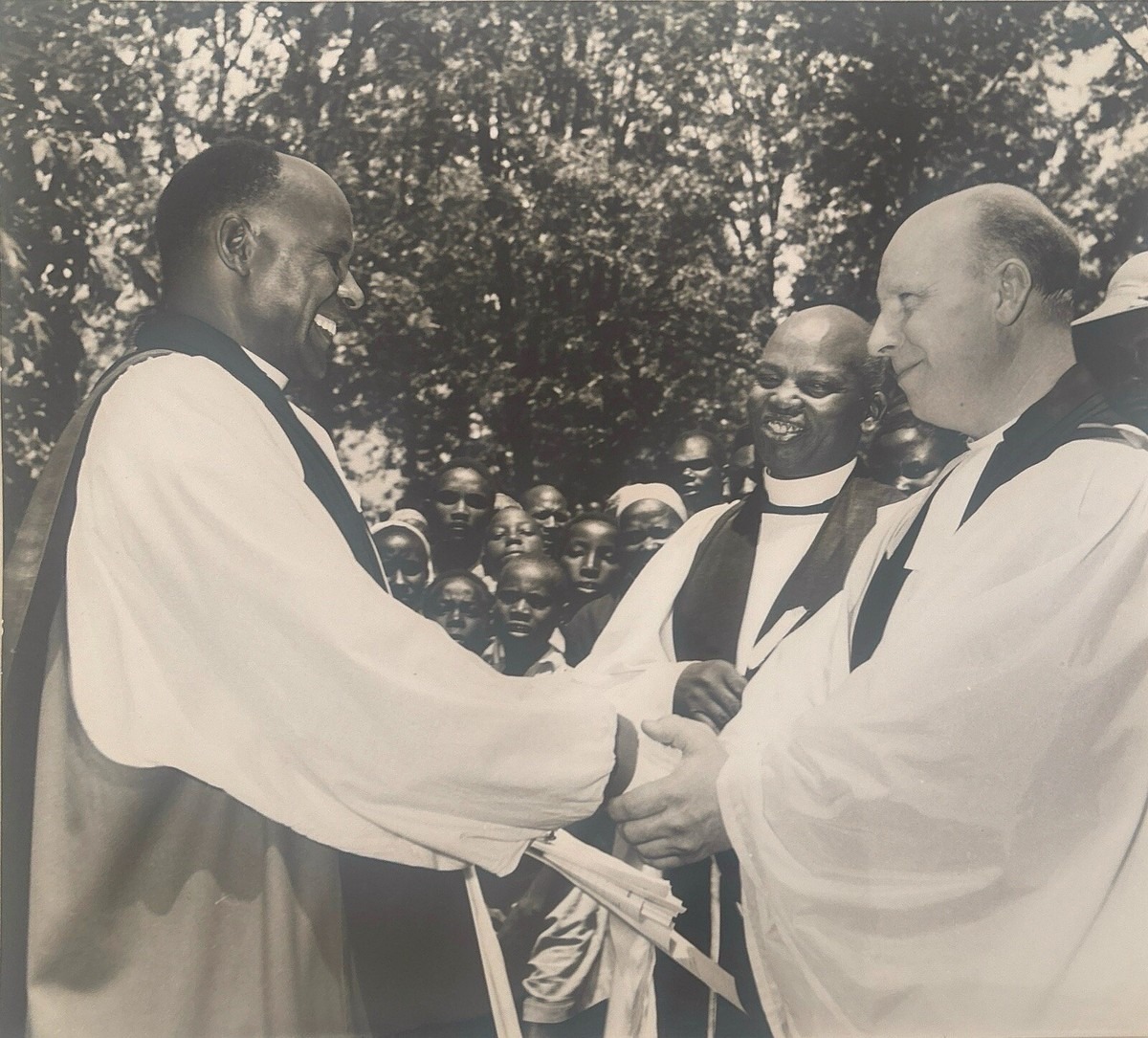
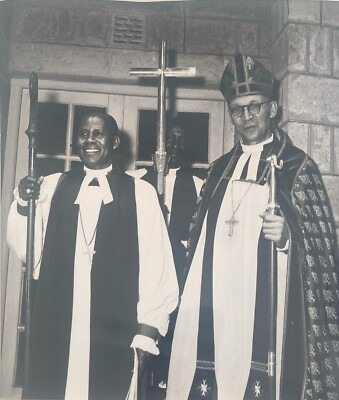
The Life and Times of Bishop Obadiah Kariuki

Early Life: From the Hills of Kabete (1902–1920)

Obadiah was born into a traditional Gikuyu family at the turn of the century. His early years were spent as a shepherd boy, a role that would later become a metaphor for his ministry. He was among the first generation of Gikuyu children to encounter the “new learning” of the Church Missionary Society (CMS), setting the stage for his lifelong journey as a bridge-builder.

The Spiritual Fire: The East African Revival (1930s)

A defining moment in his life was his involvement in the Balokole (The Saved Ones) movement. This spiritual awakening gave him the moral courage to stand firm during the political storms of the 1950s. He emphasized personal integrity and a “broken” heart before God, values that defined his leadership style.

The Dilemma of the Cross-over Leader (1950s)

During the State of Emergency, Bishop Kariuki faced a harrowing dilemma:

  • The Colonial Pressure: The administration expected loyalty.

  • The Mau Mau Pressure: Traditionalists and freedom fighters demanded cultural and political allegiance through oaths.

Standing in the middle, he chose a “Third Way.” He opposed the violence of the emergency but also refused to let the Church be a puppet of the colonial state. He was a voice for peace, justice, and the dignity of the African person.
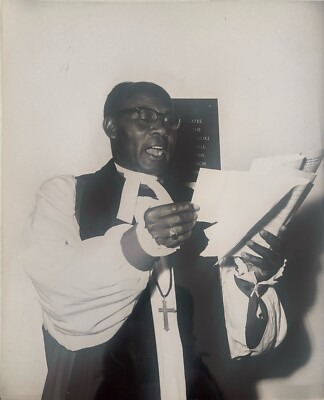
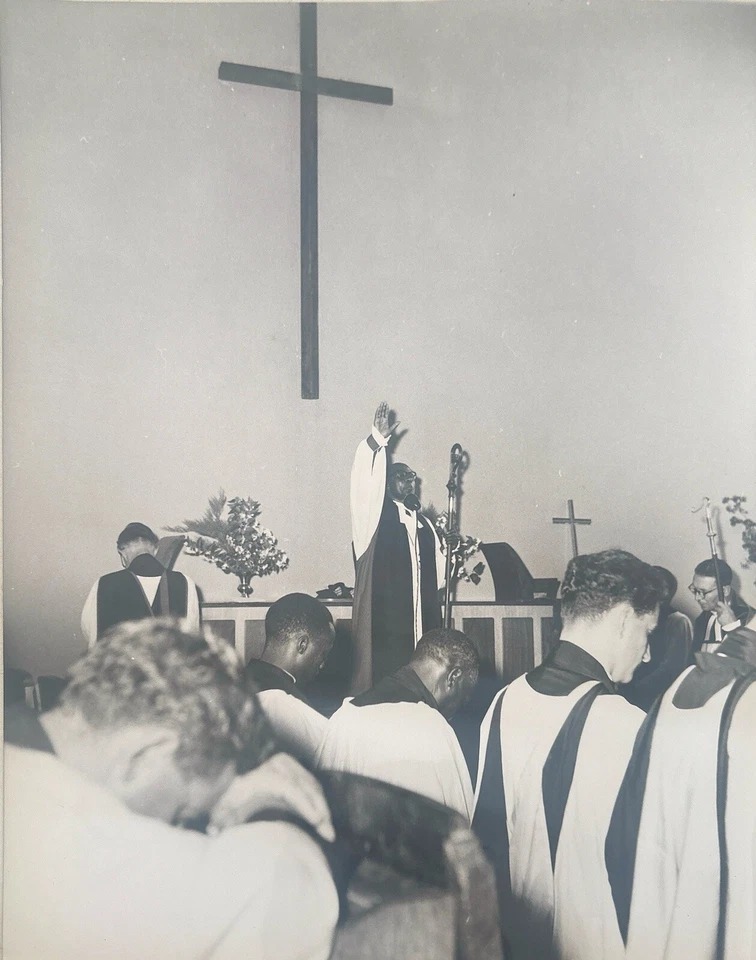
 

A Historic Episcopacy (1955–1978)

  • 1955: Consecrated as the first African Assistant Bishop in Kenya (alongside Festo Olang’).

  • 1961: Enthroned as the first Bishop of the Diocese of Fort Hall (now Mount Kenya South).

  • The Builder: He was instrumental in establishing the ACK Church, Kiahuria, which today stands as part of his “Precinct”—a monument to a faith that honors local history.

Scroll to Top